Posted on Jul 27, 2026
Image Credit:
File ID 26058748 | © Adam121 | Dreamstime.com
Share: 



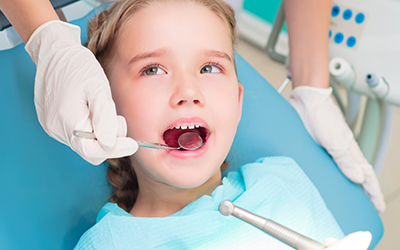
As children grow, their teeth and jaws develop rapidly. While some changes are a normal part of development, others may indicate that the teeth or bite are not aligning properly. Many orthodontic concerns are easier to manage when they are identified early, making routine dental visits an important part of your child's oral health. Parents who understand the early warning signs of alignment issues can help ensure their child receives an evaluation at the right time and the appropriate care if treatment becomes necessary.
Not every child who has crooked teeth will need immediate orthodontic treatment. However, identifying developing concerns early allows dental professionals to monitor growth and determine whether intervention may be beneficial in the future.
The American Association of Orthodontists recommends that children receive an orthodontic evaluation by age 7. At this stage, enough permanent teeth have typically erupted to identify many developing bite and jaw concerns, even if treatment is not yet recommended.
Routine dentistry for children includes monitoring dental development and referring patients for orthodontic evaluation when appropriate.
Parents often notice changes in their child's smile before the child experiences discomfort. While only a dental professional can diagnose orthodontic problems, several signs may indicate that an evaluation is worthwhile.
Watch for the following:
If you notice any of these concerns, your Frederick kids’ dentist can determine whether additional evaluation is recommended.
Alignment issues often develop slowly as the permanent teeth erupt. Some children experience jaw growth differences that become more noticeable over time, while others develop crowding because there is not enough space for incoming permanent teeth.
Regular dental examinations allow your Frederick kids dentist to compare your child's growth over multiple visits and identify subtle changes that parents may not notice at home. Preventive appointments are an important part of dentistry for children, even when no obvious orthodontic concerns are present.
Certain childhood habits may influence how the teeth and jaws develop. While many children naturally outgrow these behaviors, prolonged habits can contribute to alignment concerns.
Examples include:
During routine visits, your Frederick kids’ dentist can discuss whether these habits may be affecting your child's oral development and recommend strategies to encourage healthy growth.
An evaluation with a Dacono orthodontist does not always mean braces are needed immediately. In many cases, the orthodontist simply monitors growth and tooth eruption over time. This observation helps determine the ideal timing for treatment, if it becomes necessary.
A Dacono orthodontist evaluates more than just crooked teeth. Jaw development, bite function, facial growth, and spacing are all considered when creating a personalized treatment plan. Early monitoring may also reduce the complexity of future orthodontic treatment for some children.
Parents play an important role in protecting their child's smile by encouraging good oral hygiene, scheduling routine dental visits, and paying attention to changes in tooth alignment. Regular preventive dentistry appointments, dental exams, and professional guidance help ensure that developing concerns are identified as early as possible.
Whether your child is receiving routine dentistry for children services or an evaluation from a Dacono orthodontist, early observation provides valuable information about how their smile is developing. Combined with regular care from a trusted Frederick kids’ dentist, timely orthodontic monitoring can help support healthy jaw growth, proper bite function, and a confident smile for years to come.
Sources:


Cookie Preferences | Cookie Consent | Privacy Policy
Nothing contained on or offered by or through this website should be construed as medical advice and should not be relied upon for medical diagnosis or treatment
© Copyright 2014-2026 Dental Marketing | Dental Websites | All Rights Reserved.