Posted on Nov 9, 2026
Image Credit:
Medical Marketing Guru
Share: 



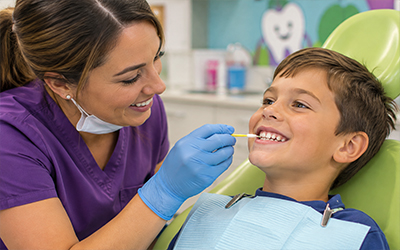
Children's oral health changes significantly as they grow. From the arrival of their first baby teeth to the development of permanent teeth, each stage presents new opportunities to establish healthy habits and identify potential dental concerns. Preventive dentistry focuses on protecting teeth and gums before problems become more serious.
For parents researching Firestone dentistry providers or looking for a qualified children’s dentist, understanding the benefits of early preventive care can help them make informed decisions about their children's oral health.
Consistent pediatric dental care supports healthy development while reducing the likelihood of avoidable dental complications and extensive treatment.
One of the most important benefits of preventive pediatric dentistry is the opportunity to recognize developing concerns before they become more complicated.
Small cavities, early gum inflammation, and changes in tooth development may not cause noticeable symptoms initially. Without regular examinations, these conditions can progress and eventually require more involved treatment.
Routine dental checkups allow dental professionals to monitor tooth eruption, evaluate oral hygiene, and identify early signs of decay.
When concerns are detected promptly, treatment may be simpler and less invasive.
For example, identifying a small cavity early may allow a dentist to preserve more natural tooth structure rather than waiting until extensive decay requires additional restorative procedures.
Children can be particularly vulnerable to cavities as they develop brushing habits and learn to make independent food choices.
Preventive treatments provide additional protection for developing teeth.
Two commonly recommended options include dental sealants and fluoride treatments.
Sealants are thin protective coatings applied to the chewing surfaces of eligible back teeth. They help prevent food particles and bacteria from accumulating in deep grooves.
Fluoride strengthens tooth enamel and helps protect against decay.
Parents searching for a children’s dentist can ask which preventive treatments are appropriate based on their child's age, cavity risk, and dental development.
Although baby teeth eventually fall out, they play an important role in childhood development.
Primary teeth support chewing, speech development, and the positioning of permanent teeth.
When a baby tooth is lost prematurely because of untreated decay or infection, neighboring teeth may shift into the available space.
This movement can sometimes affect how permanent teeth erupt and may contribute to future alignment concerns.
Maintaining healthy primary teeth is an important part of children's dental health.
Preventive care helps preserve these teeth until they are naturally ready to fall out, supporting more predictable dental development.
Preventive dentistry also involves evaluating how a child's teeth and jaws develop over time.
During regular examinations, dental professionals may identify crowding, bite irregularities, or other developmental concerns that could benefit from orthodontic evaluation.
Parents researching a braces dentist should understand that early orthodontic assessments do not necessarily mean a child will need braces immediately.
In some cases, monitoring growth is the most appropriate recommendation. In others, early intervention may help address specific developmental problems before they become more complicated.
An early orthodontic evaluation can help determine whether treatment is necessary and identify the most appropriate timing.
However, preventive monitoring cannot eliminate every future orthodontic concern.
Professional preventive care works best when combined with consistent daily oral hygiene.
Parents play an important role in helping children develop habits that protect their teeth and gums.
Important preventive practices include:
These habits support cavity prevention and help children become more confident in managing their oral health.
Families exploring Firestone dentistry can benefit from discussing age-appropriate brushing techniques and preventive recommendations with their dental provider.
When dental concerns are identified early, children may avoid certain complications associated with untreated cavities, infections, or developmental problems.
For example, a small cavity may require a straightforward restoration, while advanced decay could require a crown, pulp treatment, or extraction.
Similarly, monitoring tooth development can help identify problems that deserve timely orthodontic attention.
A qualified braces dentist can evaluate alignment concerns and explain whether observation, early treatment, or future orthodontic care is appropriate.
Although preventive dentistry cannot guarantee that children will never need complex procedures, it can reduce the risk of avoidable problems and support more conservative treatment options.
Preventive visits also help children become comfortable with the dental environment.
When appointments focus on examinations, cleanings, and education rather than urgent treatment, children have opportunities to develop familiarity with dental professionals.
Positive experiences can encourage children to communicate their concerns and participate more confidently in future appointments.
A supportive children’s dentist can use age-appropriate explanations and encouragement to help children understand the importance of oral hygiene.
These experiences may contribute to more consistent dental care throughout adolescence and adulthood.
Preventive pediatric dentistry provides a foundation for healthier teeth, gums, and dental development.
Regular examinations, protective treatments, and consistent home care help reduce the likelihood of preventable complications while supporting children's changing needs.
At Firestone Pediatric Dentistry & Orthodontics, the importance of early prevention reflects the value of protecting developing smiles and helping families make informed treatment decisions.
Whether parents are researching Firestone dentistry services or seeking guidance from a braces dentist, prioritizing preventive care can help children maintain healthier smiles and potentially avoid more extensive dental procedures as they grow.
Posted on Nov 9, 2026
Medical Marketing Guru
Share:


Cookie Preferences | Cookie Consent | Privacy Policy
Nothing contained on or offered by or through this website should be construed as medical advice and should not be relied upon for medical diagnosis or treatment
© Copyright 2014-2026 Dental Marketing | Dental Websites | All Rights Reserved.