Posted on Jun 8, 2026
Image Credit:
File ID 73988255 | © | Dreamstime.com
Share: 



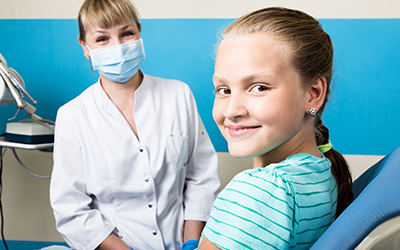
Hearing that your child has been referred to an orthodontist can raise questions about what comes next. Many parents wonder whether their child will need braces immediately or if there is a significant dental problem that requires treatment. In most cases, an orthodontic referral is simply a proactive step that allows specialists to evaluate how a child’s teeth and jaws are developing.
A referral from a kid’s dentist is often part of comprehensive pediatric dental care designed to identify potential concerns early and create opportunities for more effective treatment when necessary.
Orthodontic referrals are commonly recommended when a dentist notices concerns involving tooth alignment, jaw growth, spacing, crowding, or bite function. Even if a child still has baby teeth, monitoring development can help identify issues before they become more complex.
Some common reasons for referral include:
Professionals involved in Frederick orthodontics often evaluate these issues to determine whether treatment is needed now or if continued monitoring is the best approach.
The initial orthodontic consultation is generally focused on evaluation rather than treatment. During the appointment, the orthodontist reviews dental and medical history, examines the teeth and jaws, and may take diagnostic images or digital scans.
The purpose of this visit is to assess how the teeth are developing and whether any intervention may improve future outcomes. In many cases, children do not begin treatment immediately after their first orthodontic evaluation.
Parents visiting a provider specializing in Frederick orthodontics are often relieved to learn that early consultations frequently involve observation and planning rather than immediate appliances or braces.
Some children benefit from what is commonly called early or interceptive orthodontic treatment. This type of care focuses on guiding jaw growth, creating space for incoming teeth, or addressing bite concerns before all permanent teeth have erupted.
An orthodontist may recommend treatment if it could help:
A trusted kid’s dentist and orthodontist often work together to determine the most appropriate timing for care.
Not every child who receives an orthodontic referral requires immediate treatment. In many situations, the orthodontist may recommend periodic evaluations to monitor growth and development.
Children's teeth and jaws continue changing throughout childhood and adolescence. Regular monitoring allows orthodontic professionals to identify the ideal time for treatment if it becomes necessary.
This collaborative approach between orthodontists and providers of pediatric dental care helps ensure that treatment recommendations are based on the child's individual developmental needs rather than a predetermined schedule.
If orthodontic treatment is recommended, maintaining excellent oral hygiene becomes especially important. Braces, aligners, and other appliances can create additional areas where plaque and food particles accumulate.
Parents can help support successful treatment by encouraging:
Strong oral health habits help protect teeth and gums throughout the orthodontic process.
Orthodontic referrals are an important part of preventive dental care and should not automatically be viewed as a sign of a serious problem. Instead, they provide an opportunity to evaluate development, identify concerns early, and determine whether treatment could improve function or appearance.
Whether a child ultimately requires braces, monitoring, or no treatment at all, the goal of pediatric dental offices that provide Frederick orthodontics is to support healthy growth and proper dental development. Combined with regular visits to a kids’ dentist and ongoing pediatric dental care, orthodontic evaluations help create a strong foundation for a healthy smile that can last into adulthood.
Understanding what to expect during the referral process can help parents feel more confident and prepared as they support their child's oral health journey.


Cookie Preferences | Cookie Consent | Privacy Policy
Nothing contained on or offered by or through this website should be construed as medical advice and should not be relied upon for medical diagnosis or treatment
© Copyright 2014-2026 Dental Marketing | Dental Websites | All Rights Reserved.