Posted on Apr 27, 2026
Image Credit:
File ID 25736753 | © Paul Michael Hughes | Dreamstime.com
Share: 



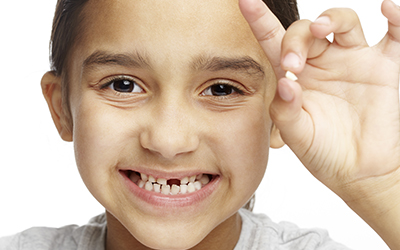
Parents often wonder whether gaps between their child’s baby teeth are normal or cause for concern. In most cases, spacing is not only normal but beneficial for long-term oral health. Understanding how spacing affects development can help parents make informed decisions and seek appropriate care through dentistry for children.
Spacing between baby teeth plays a key role in preparing the mouth for permanent teeth. Baby teeth are smaller than adult teeth, so gaps provide the room needed for larger teeth to emerge properly. Without adequate spacing, children may be more likely to experience crowding as permanent teeth come in.
A children’s dentist will monitor spacing during routine visits to ensure that oral development is progressing as expected. These early evaluations are an essential part of pediatric dentistry and help identify potential alignment issues before they become more complex.
Not all spacing patterns are the same, and some variations are perfectly healthy. Small gaps, particularly between the front teeth, are common and often close naturally as adult teeth erupt.
However, certain situations may require closer evaluation. Parents should be aware of the following signs:
If any of these concerns arise, consulting a children’s dentist can provide clarity and guidance on next steps.
The presence or absence of spacing in baby teeth can influence how permanent teeth develop. When there is sufficient space, adult teeth are more likely to erupt in proper alignment. On the other hand, limited space can lead to crowding, misalignment, or bite issues.
In some cases, early evaluation by a brace’s dentist may be recommended. This type of early orthodontic care helps guide jaw growth and tooth positioning, reducing the likelihood of more extensive treatment later.
Routine dental visits are essential for monitoring growth and development. The American Academy of Pediatric Dentistry recommends that children begin dental visits by age one. These appointments allow providers to assess spacing, alignment, and overall oral health.
Through regular checkups, dentistry for children supports early detection of potential issues and ensures that children receive timely care. A children’s dentist can also provide guidance on habits that may affect spacing, such as thumb-sucking or prolonged pacifier use.
While not every child with spacing concerns requires orthodontic treatment, early evaluation can be beneficial. A braces dentist can determine whether intervention is necessary and recommend appropriate solutions.
Situations that may prompt an orthodontic evaluation include:
Addressing these issues early through early orthodontic care can simplify future treatment and improve outcomes.
Parents play an important role in supporting their child’s oral development. Encouraging good habits and maintaining regular dental visits helps ensure that spacing and alignment develop properly.
Helpful practices include:
These steps contribute to a strong foundation for lifelong oral health.
Spacing between baby teeth is a natural and important part of development. While gaps may seem concerning at first, they often indicate that the mouth is preparing for permanent teeth. With proper monitoring and care through dentistry for children, parents can feel confident that their child’s smile is on the right track.
Regular evaluations by a children’s dentist, along with guidance from a braces dentist when needed, ensure that spacing and alignment are managed effectively. By understanding the role of spacing and taking a proactive approach, parents can support healthy growth and a confident smile for years to come.
Posted on Apr 27, 2026
File ID 25736753 | © Paul Michael Hughes | Dreamstime.com
Share:


Cookie Preferences | Cookie Consent | Privacy Policy
Nothing contained on or offered by or through this website should be construed as medical advice and should not be relied upon for medical diagnosis or treatment
© Copyright 2014-2026 Dental Marketing | Dental Websites | All Rights Reserved.