Posted on Nov 23, 2026
Image Credit:
Medical Marketing Guru
Share: 



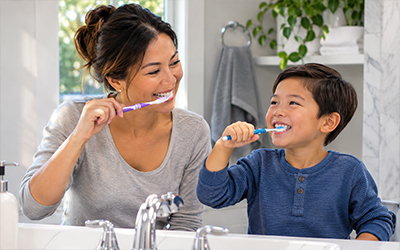
Healthy smiles begin with the habits children develop at home. While professional dental visits are essential, everyday family routines play an equally important role in protecting developing teeth and gums. From brushing before bedtime to choosing nutritious snacks, small daily decisions can influence a child's oral health well into adulthood.
Children often learn by observing their parents and caregivers. When families prioritize consistent oral hygiene, children are more likely to view dental care as a normal part of everyday life.
Parents exploring Firestone dentistry services or searching for a children’s dentist can benefit from understanding how household routines support children's oral health and reduce the risk of preventable dental problems.
Regular brushing is one of the most important foundations of preventive dental care. Children should brush twice daily with fluoride toothpaste to remove plaque and help protect tooth enamel.
However, younger children may lack the coordination needed to clean their teeth thoroughly without assistance.
Parents can encourage effective brushing by establishing predictable morning and bedtime routines.
Helpful strategies include:
A dependable routine helps children understand that brushing is an everyday responsibility rather than an occasional activity.
Brushing alone cannot remove all plaque and food particles from between teeth.
Once neighboring teeth begin touching, cleaning between them becomes an important part of maintaining healthy gums and preventing cavities.
Parents may need to assist younger children with flossing until they can perform the task effectively.
Establishing a consistent evening routine can make this process easier.
A qualified children’s dentist can demonstrate age-appropriate flossing techniques and recommend tools that make cleaning between teeth more manageable.
These early habits support gum health and encourage children to take greater responsibility for their oral hygiene as they mature.
Nutrition plays an important role in dental development. Frequent exposure to sugary foods and beverages can increase the risk of tooth decay, particularly when children snack throughout the day.
Families can support healthier smiles by establishing balanced eating habits and limiting frequent sugary snacks.
Water is generally a better everyday beverage choice than soda, sports drinks, or sweetened juices.
Parents can also encourage nutritious foods that support overall growth and development.
Maintaining consistent mealtimes and reducing unnecessary grazing may help limit repeated acid exposure to tooth enamel.
Families researching Firestone dentistry children’s providers can discuss dietary habits with dental professionals to better understand how nutrition influences cavity prevention.
Children's feelings about dental care often develop through their earliest experiences.
When parents approach dental appointments with confidence and positive language, children may feel more comfortable with examinations and preventive treatments.
Regular children's dental checkups allow dental professionals to monitor tooth development, evaluate oral hygiene, and identify potential concerns.
Parents can support positive experiences by:
Families searching for a children’s dentist should consider how a practice communicates with younger patients and supports comfortable dental experiences.
As children grow, their teeth and jaws undergo significant changes. Family routines can help parents recognize developmental concerns and maintain healthy habits during these transitions.
Regular dental evaluations allow professionals to monitor tooth eruption, crowding, and bite alignment.
Parents researching a braces dentist should understand that orthodontic evaluations can help identify concerns even before treatment becomes necessary.
If braces or other orthodontic appliances are recommended, family support becomes especially important.
Children undergoing orthodontic treatment may need additional guidance with brushing, flossing, and avoiding foods that could damage appliances.
Consistent home routines help children maintain good oral hygiene throughout treatment and support healthier outcomes.
Children's oral healthcare needs change throughout childhood and adolescence.
Toddlers require direct assistance with brushing, while school-aged children gradually develop greater independence. Teenagers may need reminders to maintain healthy habits despite busy schedules and changing priorities.
Parents should adjust their involvement based on each child's abilities rather than assuming that age alone guarantees effective oral hygiene.
A braces dentist may also provide specific recommendations for teenagers managing orthodontic appliances.
Regular communication about dental health helps families address concerns before inconsistent habits become established.
The goal of family dental routines extends beyond preventing cavities during childhood. Consistent habits help children develop independence, confidence, and a greater understanding of personal health responsibilities.
When parents demonstrate good oral hygiene and prioritize preventive appointments, they reinforce the importance of maintaining healthy teeth and gums.
These routines can contribute to better long-term dental health by encouraging children to continue preventive practices as they become adults.
Families exploring Firestone dentistry services can benefit from combining professional guidance with dependable daily habits.
Children's long-term oral health is shaped by the routines they practice every day. Consistent brushing, flossing, balanced nutrition, and regular dental appointments create a strong foundation for healthy development.
At Firestone Pediatric Dentistry & Orthodontics, emphasizing preventive care and family involvement helps parents understand how everyday habits contribute to healthier smiles.
Whether families are searching for a children’s dentist or seeking guidance from a braces dentist, establishing positive dental routines can help children develop the skills needed to maintain their oral health throughout life.
By making dental care a consistent family priority, parents can help protect developing smiles and encourage healthy habits that last well beyond childhood.
Posted on Nov 23, 2026
Medical Marketing Guru
Share:


Cookie Preferences | Cookie Consent | Privacy Policy
Nothing contained on or offered by or through this website should be construed as medical advice and should not be relied upon for medical diagnosis or treatment
© Copyright 2014-2026 Dental Marketing | Dental Websites | All Rights Reserved.